
Tips for Nailing Your Camp Interview
For many students applying to work at a US summer camp, the interview can feel like a bit of an unknown. For many, it’s often the first time you’ve had a professional conversation about your skills, your experiences, and how you’d handle real responsibility. And that can feel a bit daunting.
The good news is that camp interviews are designed to get to know you as a person, not catch you out. They’re less about polished perfection and more a chance for camps to discover whether you’d be a positive, responsible presence in a camp community. With the right preparation (and a clear understanding of what camps are actually looking for) the experience can feel far more manageable than you might expect.
Provided by our dedicated team – who have been through the camp interviews themselves - here’s what to know before you log on and how to approach your interview with confidence.
What to expect from a camp interview
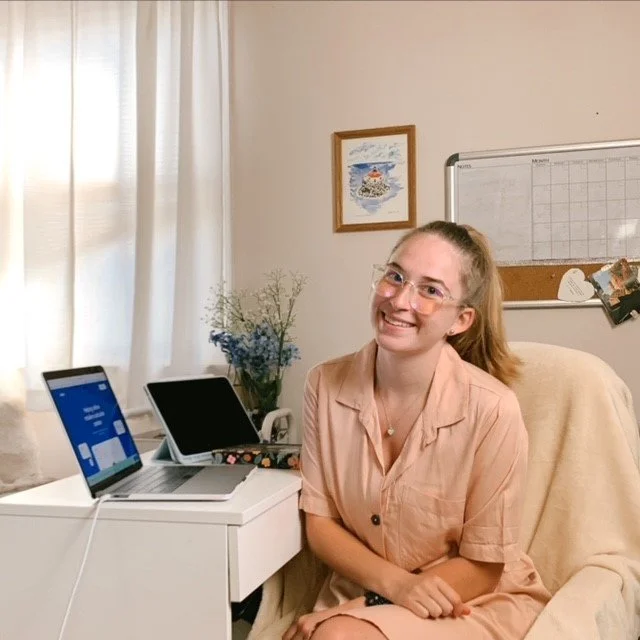
Camp interviews are usually arranged directly with the camp you’re matched with, and most take place over video call, though occasionally they may be conducted by phone. While the format may feel relaxed compared to a corporate interview, it’s still a professional conversation. After all, you’re applying for a role where you’ll be responsible for the wellbeing and safety of children.
Expect the interview to feel conversational rather than formal. Camps are interested in understanding your personality, your motivations and how you respond to real-life scenarios. You’ll likely be asked about your experience working with children, teamwork or leadership situations, and the skills you highlighted in your application. According to our team member, who has been a camp interviewee:
“Camps want to understand who you are and how you approach responsibility – after all, you’re going to be looking after other people’s children. It’s an important task! And whilst it’s important to prepare, camps don’t want rehearsed answers, they want to see genuine enthusiasm, common sense, and a willingness to learn.”
Doing your homework (without being rehearsed)
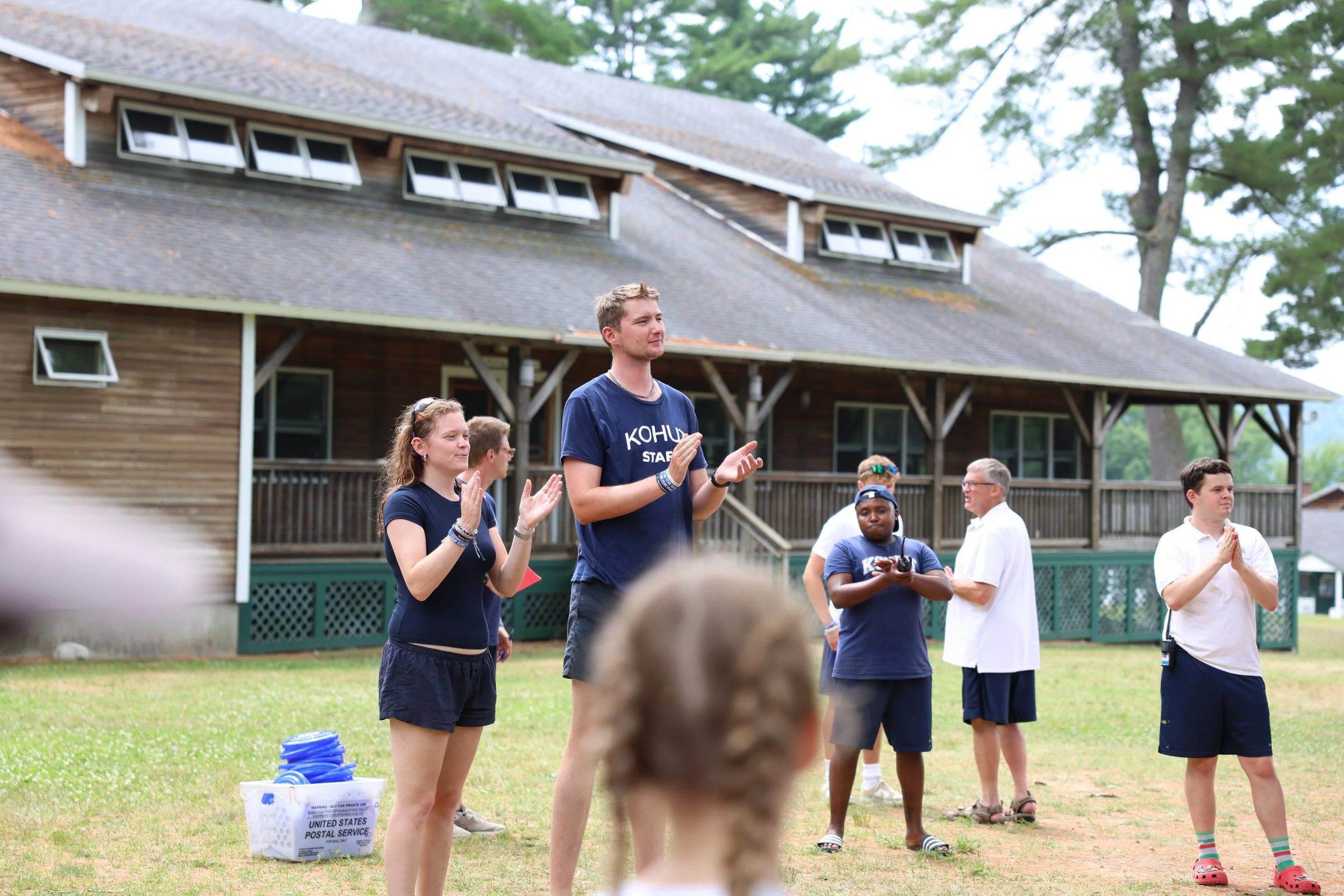
Preparation is important, but it shouldn’t turn you into a script-reading robot. A good starting point is to make sure you understand the role of a camp counsellor: the responsibilities, the daily rhythm of camp, and the realities of working closely with young people.
As our team explains:
“Preparation should help you feel confident enough to think on your feet, not memorised. If your answers sound too rehearsed, it can be harder for camps to see your personality. And that’s super important!”
It’s also worth researching the specific camp you’re interviewing with - as you would for any other job. Look at the activities they offer, the age groups they work with, and the overall ethos of the programme.
Preparing questions to ask might also be useful and show that you’re curious about camp life. Here are a few as a starting point:
What does a typical day look like for counsellors at this camp?
What kind of support or training do new staff receive?
Are there any qualifications or documents I should prepare in advance?
What do successful counsellors at your camp have in common?
The CIEE team will be in touch with some interview guidance and tips, and you can always reach out to the camp@ciee.co.uk email address if you want to ask anything.
What to expect from the interview
As well as finding out about you and learning your personality, most camp interviews will include scenario-based questions. You might be asked how you would help a child who feels homesick, or how you’d keep a group entertained during unexpected downtime, like a rainy afternoon in the lodge.
Rather than worrying about giving the “right” answer, think about examples from your own life that show relevant skills. These might include:
Working with children in any setting
Being part of a team or sports group
Leading a project or helping organise an activity
Handling a difficult situation or solving a practical problem
Even everyday experiences can be valuable if they show responsibility or empathy. Camps understand that many candidates are early in their careers. They’re looking for potential and an ability to think on your feet.

How to present yourself
Because most interviews are virtual, it’s easy to forget the basics. But first impressions still matter. Smart casual clothing is appropriate. You can show personality in how you present yourself but remember that this is still a professional interview.
Make sure you have a quiet space, a stable internet connection and a camera position that allows for natural eye contact. Speak clearly, listen carefully and don’t be afraid to take a moment to think before answering a question.
How CIEE supports you along the way
After the interview, some camps may offer decisions immediately; others may take a few days. CIEE supports candidates throughout this period and can help you understand next steps or prepare for further conversations if needed.
Before your interview, CIEE provides guidance materials, preparation tips and opportunities to ask questions. If you’re unsure about anything, the team is here to help.
Contact us for more information on the camp@ciee.co.uk email.
Good luck!